Farm Fencing in South Africa – Choosing the Right Fence for Your Farm
Choosing the right farm fencing is essential for protecting livestock, securing property boundaries and managing agricultural land. Whether you own a smallholding, cattle farm, sheep farm or agricultural business, the correct fencing solution can help prevent animal escapes, reduce unwanted access and protect your investment.
However, not every farm requires the same type of fence. Different animals, landscapes and security requirements call for different fencing materials and designs.
At ProShock Fencing, we provide fencing solutions for agricultural and rural properties. Therefore, understanding your options is the first step towards creating a secure and practical farm perimeter.
Why Farm Fencing Is Important
A properly installed fence does much more than mark a property boundary. It helps farmers manage livestock, protect valuable assets and separate different areas of agricultural land.
Furthermore, a secure perimeter can reduce the risk of animals wandering onto roads or neighbouring properties.
Some of the main benefits include:
Keeping livestock within designated areas
Reducing unwanted access
Protecting crops and agricultural equipment
Separating grazing areas
Supporting livestock management
Creating clearly defined boundaries
As a result, investing in quality fencing can help farmers avoid unnecessary expenses and improve day-to-day operations.
Different Types of Agricultural Fencing
Choosing the correct fencing material depends on the animals being contained, the terrain and the purpose of the installation.
1. Wire Fencing for Livestock
Wire fencing is commonly used on farms throughout South Africa.
It can provide a practical solution for containing cattle, sheep and other livestock when correctly designed.
In addition, different wire types and spacing arrangements can be selected to suit the animals and conditions.
However, the strength of the posts, correct wire tension and suitable fence height are important considerations.
2. Mesh Fencing for Small Animals
Mesh fencing is particularly useful for smaller livestock and poultry enclosures.
For example, closely spaced mesh can help prevent smaller animals from escaping through gaps.
Furthermore, appropriately selected welded mesh can provide additional strength where predators are a concern.
Therefore, choosing the correct mesh size is essential when planning the enclosure.
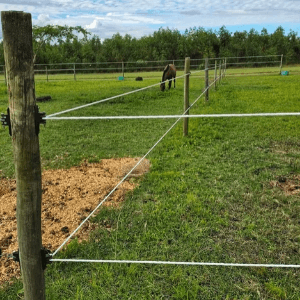
3. Electric Fencing for Farms
Electric fencing can provide an effective additional deterrent for livestock management and perimeter protection.
Unlike a conventional wire fence, an electric system delivers controlled electrical pulses through the fence.
As a result, animals can learn to avoid contact with the electrified boundary.
However, the system must be correctly designed for its intended purpose, and the appropriate safety standards must be followed.
For professional assistance, consider ProShock Fencing’s electric fencing installation services.
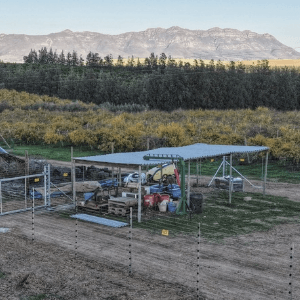
4. Security Fencing for Agricultural Properties
Some farms require stronger security around workshops, equipment storage areas and other valuable facilities.
In these situations, palisade or Clear-View fencing may be suitable.
Furthermore, combining a physical security fence with appropriate access control can help protect important areas.
How to Choose the Right Fence for Your Livestock
Different animals require different fencing arrangements.
Therefore, farmers should consider the type, size and behaviour of their livestock before choosing a fencing system.
Cattle Fencing
Cattle are large, strong animals. Consequently, fencing needs sturdy posts, appropriate wire strength and secure gates.
Sheep and Goat Fencing
Sheep and goats may escape through openings that would not concern larger livestock.
Therefore, closer wire spacing and attention to ground-level gaps are important.
Poultry Enclosures
Chickens and other poultry require secure enclosures that help prevent escapes and protect against predators.
In addition, overhead protection may be necessary depending on the birds and surrounding risks.
Important Factors Before Installation
Before installing agricultural fencing, consider the following:
Property size: Larger farms require careful planning of materials, access points and fence lines.
Terrain: Rocky ground, slopes and uneven surfaces can affect installation methods.
Livestock: The animals being contained determine suitable height, wire spacing and fence strength.
Security: Farms with valuable equipment may need additional perimeter protection.
Maintenance: Selecting durable materials can reduce long-term repair requirements.
Furthermore, a professional assessment can help identify practical solutions before installation begins.
Common Farm Fence Problems
Even a well-installed fence can develop problems over time.
For example, animals may place pressure on the fence, weather conditions can damage posts, and soil movement can affect alignment.
Common problems include:
Broken fence wires
Loose or leaning posts
Damaged gates
Corroded fencing materials
Incorrect wire tension
Gaps underneath the fence
Damage caused by animals or vehicles
Consequently, routine inspections are essential.
How to Maintain Agricultural Fencing
Regular maintenance helps extend the lifespan of your fence and keeps your farm perimeter secure.
Firstly, inspect the fence line for visible damage.
Secondly, check that posts remain firmly positioned and that wires have not become loose.
In addition, inspect gates, hinges and other moving components.
If electric fencing is installed, arrange appropriate checks of the energizer, connections, earthing and fence performance.
Finally, repair damaged sections promptly to prevent minor problems from becoming more expensive.
Why Professional Farm Fence Installation Matters
Although some farmers install fencing themselves, professional installation can offer important advantages.
An experienced fencing contractor can assess the terrain, recommend suitable materials and plan the layout according to the property’s requirements.
Furthermore, correct post placement, wire tension and gate installation help improve long-term reliability.
At ProShock Fencing, we understand that agricultural properties require practical fencing solutions designed around their individual needs.
Protect Your Farm with ProShock Fencing
Whether you need fencing for livestock, agricultural boundaries, poultry enclosures or security around farm buildings, choosing the correct system is essential.
Our fencing services can help you plan a suitable solution for your property.
In addition, we can advise on electric fencing and other perimeter-security options where appropriate.
Request a Farm Fencing Quote
A strong and properly planned fence can help protect your livestock, equipment and property for years.
Contact ProShock Fencing today for professional advice and a quotation for your farm fencing requirements.
Visit our ProShock Fencing Services page to explore our services and find the right solution for your property.